
Get Sewer Tank Excavation in College Station, TX
Sewer tank excavation services for property owners in College Station, TX, help resolve septic system issues, install new tanks, or replace aging infrastructure with the help of experienced local contractors.
Property owners in College Station, TX, who are planning drainage improvements or facing issues with their sewer systems often consider sewer tank excavation services as a practical solution. Proper excavation can be essential for installing new septic tanks, replacing aging infrastructure, or addressing drainage concerns that impact the safety and functionality of a property. Exploring local service providers ensures access to experienced contractors familiar with the area's specific soil conditions and regulatory requirements, making it easier to find the right team for the job.
As property owners compare options for sewer tank excavation, understanding the scope and expertise of local contractors can help inform planning decisions. Whether undertaking a large-scale project or a routine upgrade, connecting with experienced service providers in College Station can support a smooth process. Keeping informed about available local options allows property owners to make confident choices as they prepare for their excavation work.
- Sewer Tank Excavation - needed when installing a new sewer tank in residential neighborhoods of College Station, TX.
- Septic System Replacement - required during the removal and replacement of aging or failing septic tanks in nearby communities.
- Drainage System Installation - necessary for improving runoff management in areas with poor drainage or frequent flooding.
- Tank Repair or Replacement - needed when existing sewer tanks are damaged, corroded, or no longer meet code requirements.
- Property Development Projects - involved in preparing land for new construction by excavating and installing sewer infrastructure.
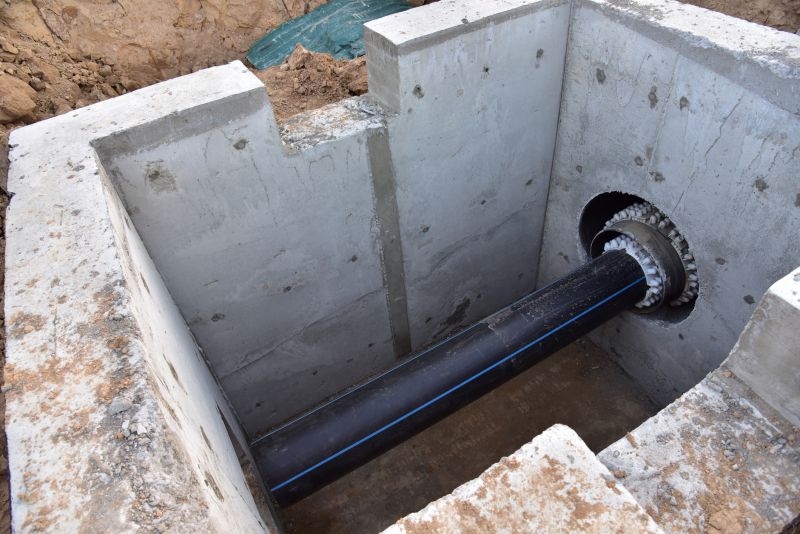
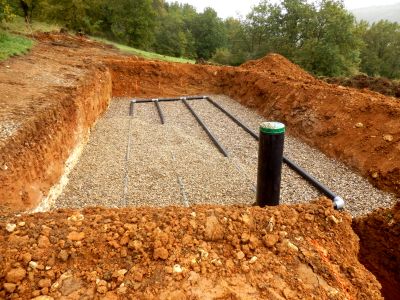
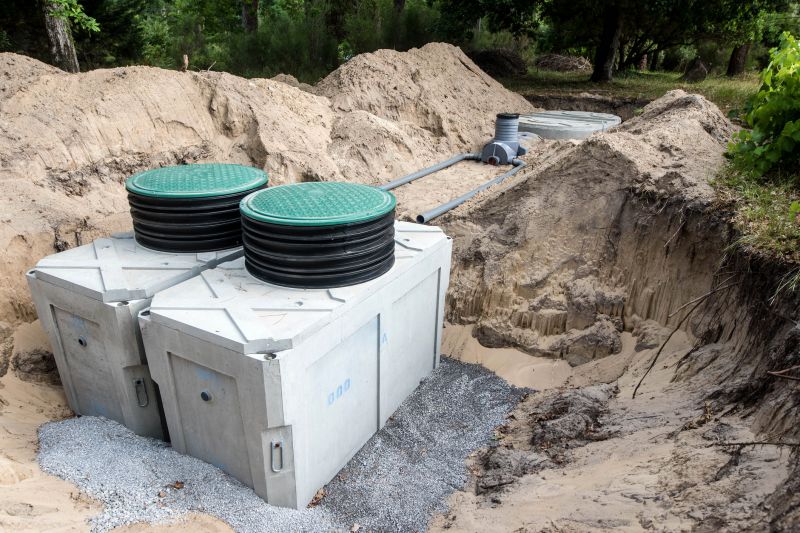
Sewer tank excavation services involve the careful digging and removal of underground sewer tanks to address various plumbing and drainage issues. This process typically includes locating the existing tank, excavating the surrounding soil, and safely removing the old or damaged tank. Skilled service providers use specialized equipment to minimize disruption to the property and ensure the job is completed efficiently. Whether replacing an outdated tank or preparing a site for new plumbing installations, professional excavation ensures the work is done correctly and safely.
These services help resolve common problems such as tank leaks, blockages, or damage caused by age or soil shifting. A failing sewer tank can lead to unpleasant odors, backups in the plumbing system, or even sewage spills that pose health risks. Excavation is often necessary when a tank has become too corroded to repair or when a property owner needs to replace a failing unit. By removing the problematic tank, local contractors can facilitate the installation of a new, more reliable system that prevents future issues and maintains proper sewer function.
Sewer tank excavation is frequently needed for residential properties, especially those with older plumbing systems or properties that are undergoing renovations or expansions. It is also common on commercial sites where large-scale plumbing infrastructure is being upgraded or replaced. Properties with septic systems, rural homes, or properties that have experienced soil movement or foundation work may require excavation services to access or replace underground tanks. These services are essential for maintaining proper sanitation and ensuring that the sewer system operates smoothly over time.
Homeowners and property managers often turn to local service providers for sewer tank excavation when facing signs of trouble like persistent odors, slow drains, or sewage backups. If a property’s sewer system is not functioning properly and inspection reveals a damaged or inaccessible tank, excavation becomes a necessary step. Connecting with experienced local contractors can help determine the best approach for excavation, repair, or replacement, ensuring that the property’s sewer infrastructure remains reliable and compliant with local standards.
The overview below groups typical Sewer Tank Excavation projects into broad ranges so you can see how smaller, mid-sized, and larger jobs often compare in College Station, TX.
In many markets, a large share of routine jobs stays in the lower and middle ranges, while only a smaller percentage of projects moves into the highest bands when the work is more complex or site conditions are harder than average.
Smaller Repairs - Typical costs for routine sewer tank repairs in College Station range from $250 to $600. Many smaller projects fall within this range, covering minor fixes or maintenance work. Larger or more complex repairs can exceed this range but are less common.
Partial Excavation - When a partial excavation is needed to access or repair a sewer tank, costs usually range from $1,000 to $3,000. Most projects in this category are mid-sized and stay within this band, with fewer jobs reaching higher costs due to additional complications.
Full Replacement - Replacing an entire sewer tank typically costs between $3,500 and $7,000 in College Station. Many full replacements are in the middle of this range, while larger, more involved projects can go beyond $7,000 depending on tank size and site conditions.
Complex or Large-Scale Projects - Extensive sewer tank excavation or replacement projects can reach $10,000 or more, especially if site access is difficult or additional work is required. These higher-end projects are less frequent but are important to consider for larger property needs.
Actual totals will depend on details like access to the work area, the scope of the project, and the materials selected, so use these as general starting points rather than exact figures.
Septic Tank Installation - This project involves excavation and placement of underground tanks, requiring similar planning and heavy equipment as sewer tank excavation services.
Drainage System Installation - Installing underground drainage pipes involves trenching and precise excavation work comparable to sewer tank removal and replacement.
Foundation Excavation - Preparing building foundations demands excavation skills and site planning that align with the techniques used in sewer tank projects.
Underground Utility Line Installation - Laying or repairing utility lines involves excavation and coordination with existing infrastructure, similar to sewer tank work.
Stormwater Management System Construction - Building systems to manage stormwater runoff requires excavation, site assessment, and planning akin to sewer tank excavation tasks.
Water Line Replacement - Replacing or installing underground water lines involves excavation and careful planning, sharing skills with sewer tank excavation services.
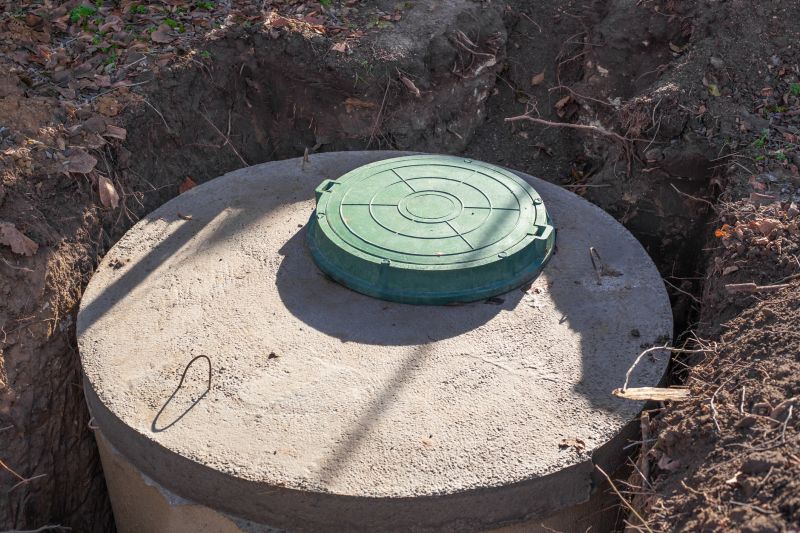
When evaluating contractors for sewer tank excavation services in College Station, TX, it’s important to consider their experience with similar projects. Homeowners should look for local service providers who have a proven track record of handling excavation work in residential settings comparable to their own. Asking for examples of past projects or references can provide insight into a contractor’s familiarity with the specific challenges and requirements associated with sewer tank excavation, helping to ensure the chosen professional has relevant expertise.
Clear, written expectations are essential for a successful project. Homeowners should seek out contractors who can provide detailed descriptions of their scope of work, including the steps involved, materials used, and any necessary preparations. Having these expectations documented helps prevent misunderstandings and ensures everyone is aligned on what the project entails. It’s also wise to request reputable references from previous clients to verify the contractor’s reliability and quality of work, giving confidence that the service provider is capable of completing the job to a satisfactory standard.
Good communication is a key factor in selecting a dependable local contractor. Homeowners should prioritize service providers who are transparent, responsive, and willing to answer questions thoroughly. Open lines of communication facilitate a smoother process, allowing homeowners to stay informed about progress and address any concerns promptly. It’s important to remember that this site’s role is to introduce homeowners to qualified local options, not to perform the excavation work itself. By focusing on experience, clear expectations, reputable references, and effective communication, homeowners can make a more informed decision when choosing a local contractor for sewer tank excavation services.
Property owners in College Station, TX use Sewer Tank Excavation services for practical projects around their homes and businesses. This guide focuses on everyday jobs and straightforward project options.
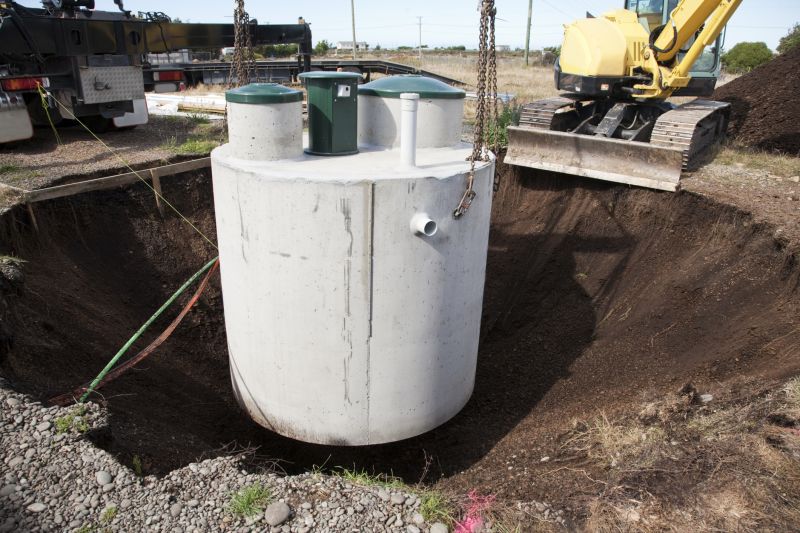
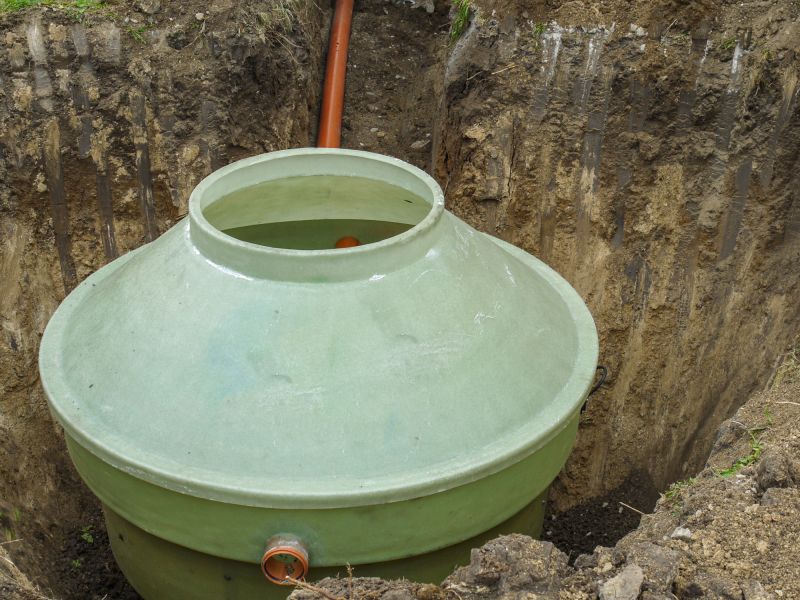
Sewer tank excavation services are often needed when property owners in College Station, TX, are experiencing persistent drain backups, foul odors, or signs of a failing septic system. These situations can arise from aging tanks that have reached the end of their lifespan or from blockages and damage that require complete removal and replacement. Local contractors are equipped to handle these projects efficiently, helping property owners restore proper function to their sewage systems and prevent potential property damage caused by leaks or overflows.
Additionally, property owners planning renovations or new construction projects might require sewer tank excavation to prepare the site properly. Whether upgrading an existing system or installing a new septic tank, local service providers can assist with the excavation process to ensure compliance with local regulations and proper installation. These services are also useful for those needing to access or repair underground piping connected to the septic tank, making them a practical solution for various everyday property maintenance and improvement needs.
What is sewer tank excavation? Sewer tank excavation involves digging and removing old or damaged septic tanks to prepare for replacement or repair services provided by local contractors in College Station, TX.
When should sewer tanks be excavated? Excavation is typically needed when a sewer tank is failing, leaking, or has reached the end of its service life, as determined by a professional assessment from local service providers.
What equipment is used for sewer tank excavation? Local contractors often use specialized excavation equipment such as backhoes and trenchers to safely access and remove sewer tanks during the excavation process.
Are there permits required for sewer tank excavation? Permit requirements vary by location; local service providers can advise on whether permits are needed for sewer tank excavation in College Station, TX.
How do I find qualified local contractors for sewer tank excavation? To connect with experienced service providers in the area, consider using a lead generation service that matches homeowners with trusted local excavation specialists.
Sewer Tank Replacement Planning - Property owners can explore sewer tank excavation services to prepare for replacing an aging or damaged tank on their property.
Drainage System Improvements - Local contractors can assist with excavation to upgrade or expand underground sewer systems for better drainage.
Property Renovation Projects - Homeowners involved in landscaping or building additions may need excavation services to access or reroute underground sewer lines.
Emergency Repairs and Maintenance - When sewer issues arise, excavation services can help access and repair underground tanks to restore proper function.
If you are thinking about Sewer Tank Excavation for a property in College Station, TX, this guide is meant to help you understand the work, the typical project types, and how different options might fit your plans.
When you are ready, you can use the quote form on this page to share a few details about your project. From there, local pros can review the basics and respond with options that match what you have in mind.